83,000 builders short: what Australia's construction gap could mean for skilled Kenyan tradespeople
News · 2026-09-30 · 4 min read
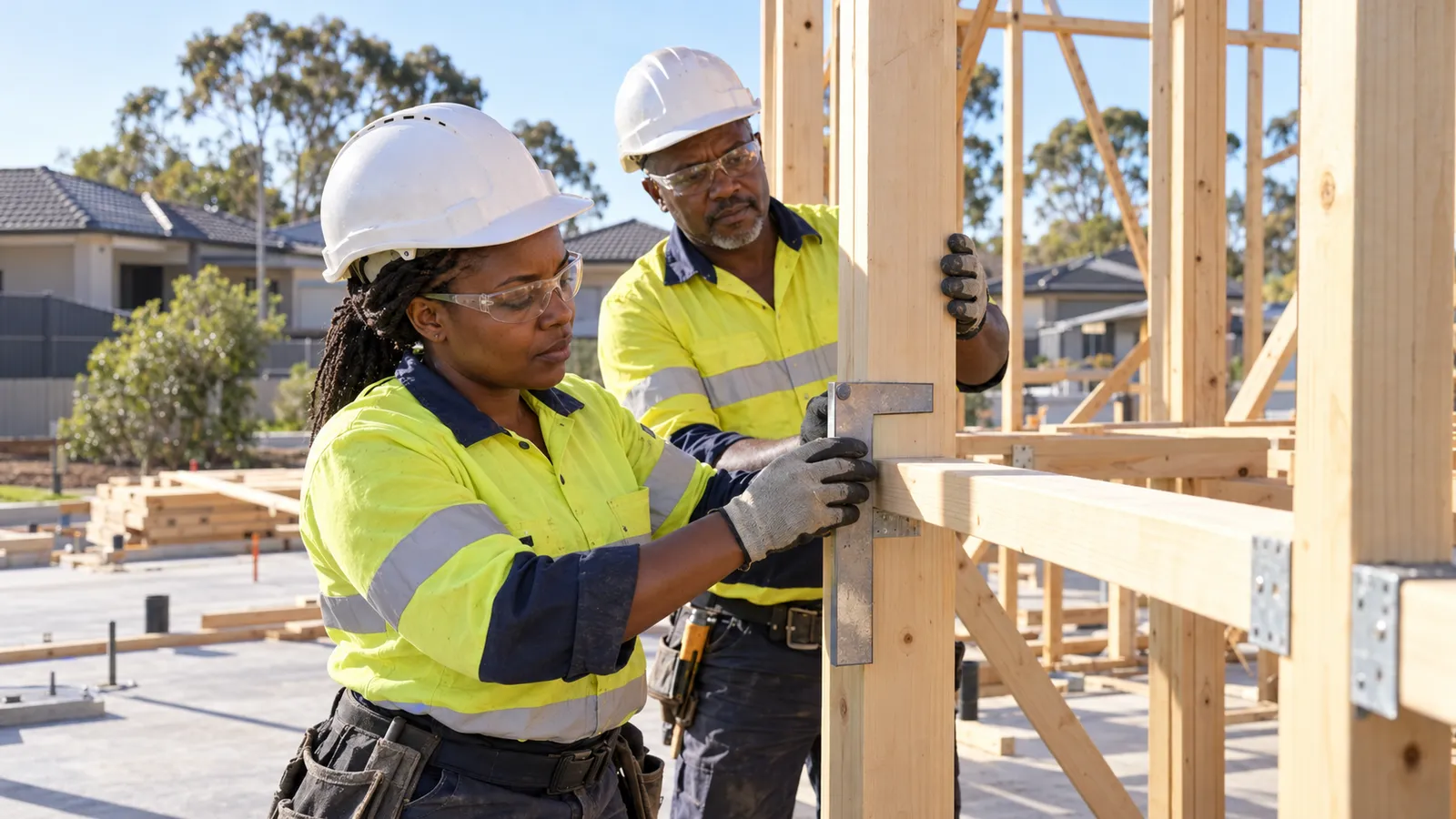
An Australian industry report puts the shortfall of skilled workers in residential construction at about 83,000. For electricians, plumbers, carpenters and other tradespeople in Nairobi, Mombasa or Kisumu, that number is a signal about where demand is heading. It is not a job offer, and the sensible response is careful preparation.
Why the report matters
The report was released at Parliament House ahead of National Tradies Day. Its core argument is that land, finance and planning approvals mean little if there are too few qualified people to do the work. Every housing target, the industry says, depends on skilled workers being available to deliver it. The shortage is already slowing the delivery of new homes and pushing up building costs, which makes it harder to improve housing affordability.
One pool, many hirers
Homebuilding is not alone. Major infrastructure, renewable energy, technology and digital economy projects are drawing on the same skilled workforce. Moving people from one sector to another only shifts the gap, so the industry argues Australia needs more skilled people in total. For overseas tradespeople that suggests demand beyond one sector: carpenters, electricians, plumbers and other trade workers may find openings across several.
The five priorities and what each means for you
| Priority for national action | Why a migrant should care |
|---|---|
| Raising the standing of trade careers | A more respected trade may improve conditions over time |
| Improving apprenticeship attraction and completion | Local training is slow, which keeps pressure on hiring |
| Supporting builders who train apprentices | Employers with training cultures tend to be worth approaching |
| Strengthening pathways from school into trades | Another long-term supply measure |
| Investing in workforce capacity | Signals continuing need for skilled labour |
Much of this is about growing the local pipeline and helping young Australians finish their training. Even so, training takes years and the gap is large, so skilled migration is likely to stay part of the workforce planning conversation.
Steps for a Kenyan tradesperson
- Gather proof of qualification and experience, such as your NITA trade test certificate, employer letters and project records.
- Learn how your trade is assessed in Australia. Australian trade careers are built around nationally recognised qualifications, so a skills assessment is a key early step, and some trades such as electrical and plumbing work need a licence as well. A Kenyan certificate is not automatically equal to either.
- Build an English CV that names your tickets and the kind of work you have done. Build AI CV can help.
- Check current visa settings and occupation lists on official pages, because they change.
- Speak to an Australian migration agent on the MARA register before spending money.
To understand how skills assessment works, RPLDirect explains recognition of prior learning. More context is in our look at the tradie shortage and why the construction crisis is a deployment problem. Current vacancies are on the jobs page.
What employers are likely to think
Businesses struggling to find staff may be more open to sponsoring skilled workers. That does not remove the need for evidence. An employer will want to see that you can do the job to Australian standards and that the paperwork is in order. Tell your story clearly, with concrete examples such as the type of building, your role on site and the standards you worked to.
Common mistakes tradespeople make
- Treating a national shortage figure as a visa offer.
- Skipping the skills assessment question until an employer asks.
- Assuming Kenyan trade papers equal an Australian licence.
- Relying on old information. Occupation lists, visa settings and eligibility rules change.
- Paying someone who is not on the MARA register for Australian migration advice.
Frequently asked questions
Is the 83,000 figure a visa quota?
No. It is an industry estimate of the residential construction shortfall.
Which trades are affected?
The report concerns skilled workers in residential construction, and other sectors compete for the same people.
Do I need a skills assessment?
Qualifications matter in Australia, so having your skills properly assessed is a key early step.
Will rules stay the same?
Not necessarily. Check current requirements before you decide.
Key takeaways
- The industry estimates a shortfall of about 83,000 skilled residential construction workers.
- Other sectors draw on the same workforce, so demand is broad.
- Qualifications and skills assessment come early in any plan.
- Check current rules and take advice from a MARA-listed agent.
#construction gap #tradespeople #australia #housing #skilled migration
 Unemployment up, builders still short: what Australia's construction gap means for Kenyan tradespeople
 Kenyan software and QA specialists: what Australia's hunt for scarce skills means for your career
 Tighter borders in five places at once: what Kenyan applicants should take from the global squeeze