Horticulture workers in Kenya eyeing New Zealand: what the 2028 training shift means for visa holders
News · 2026-09-01 · 4 min read
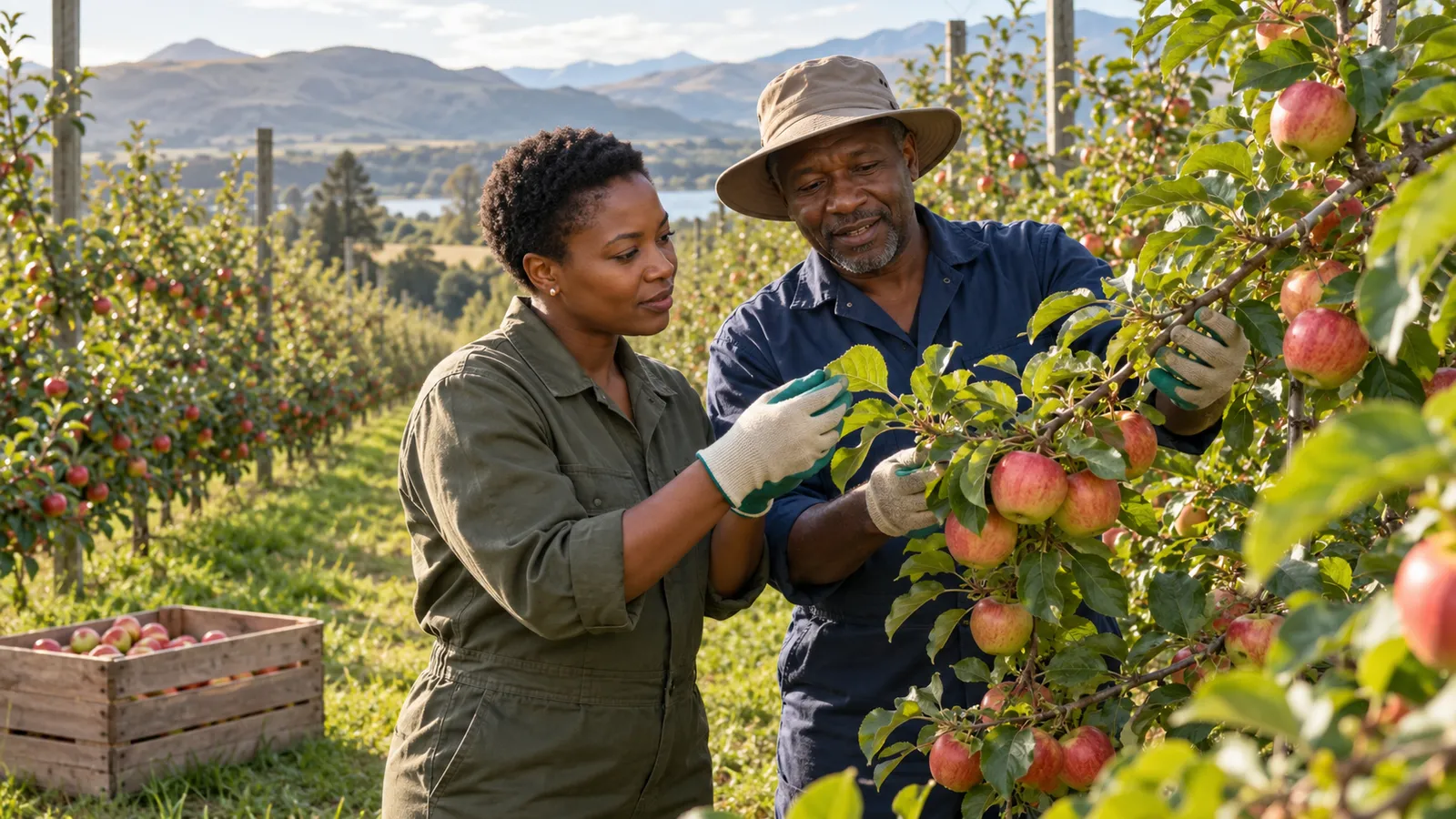
If you work in horticulture in Kenya, whether in a packhouse near Naivasha or on a farm elsewhere, New Zealand's fruit and vegetable sector may already be on your radar. Its training system is about to change, and those changes touch a question every migrant worker cares about: can a person on a work visa get a recognised qualification?
What is changing, in short
From 1 January 2026, work-based training in horticulture moves out of Te Pūkenga and into a new, temporary body called the Food and Fibre Industry Skills Board. It is the latest step in years of restructuring across New Zealand's vocational education system. It affects who gets trained, how, and whether visa holders can take part at all.
The detail migrants should notice
Most coverage has focused on funding models and enrolment numbers. The part that matters for migration is a proposal in the sector's new workforce capability strategy: to restore training eligibility for workers on work visas. At the moment it is harder for visa holders to upskill through recognised, work-based qualifications. Removing that barrier would let migrant employees progress from general labour to more skilled and better-paid positions, and help employers keep trained people instead of constantly onboarding new ones.
The timeline
| When | What happens |
|---|---|
| Now until the end of 2027 | The industry training organisation keeps delivering work-based horticulture training for around 1,500 current enrolments nationwide |
| By June 2027 | No new enrolments accepted under the current arrangement |
| By 2028 | Delivery expected to shift to regional polytechnics and private training providers, with the Skills Board setting standards only |
Why people are worried
Work-based enrolments in fruit and vegetable training fell by roughly two-thirds between 2021 and 2024. Add an ageing domestic workforce and chronic skill shortages, and it is clear why the industry leans so heavily on overseas labour. Industry bodies warn that, without a clear plan, providers may decline to offer lower-volume qualifications that are not commercially attractive, even if the industry needs them. If specialist pathways disappear, so does a route to skilled visa categories or residence pathways tied to recognised qualifications.
One model that works
A horticulture cadetship programme, piloted in Pukekohe and now expanding to the Bay of Plenty, pairs apprentices with peer cohorts, shared study sessions and a dedicated advisor who handles training compliance for the employer. For businesses balancing visa sponsorship duties with daily operations, support like this could make formal training far more manageable.
What it means for a Kenyan applicant
- Read the change as a sign that training rules are in flux for the next 18 months. Do not assume today's eligibility will still apply.
- Remember that a KCSE result or a NITA certificate never automatically equals a New Zealand qualification, skills assessment or registration.
- Keep records of your experience: crops handled, packhouse systems, supervisory duties, and references.
- Talk to a licensed immigration adviser, or a lawfully exempt person, before paying anyone.
Common mistakes
People often assume that a visa will bring access to training automatically, when eligibility is exactly what is under discussion. Others ignore employer needs. An employer who sponsors a worker also carries training duties, so a clear history helps. An optional verified Talent Tabloid profile can show your work record, though it is never required, and a CV from Build AI CV can set out your skills plainly.
Frequently asked questions
When does the move to the new body happen?
From 1 January 2026, work-based horticulture training moves to the Food and Fibre Industry Skills Board.
When do new enrolments stop?
By June 2027 under the current arrangement.
Who will deliver training afterwards?
By 2028, regional polytechnics and private training providers are expected to take over.
Will visa holders be eligible for training?
Restoring that eligibility is one of the proposals, but it is not yet confirmed.
What should I read next?
See what New Zealand jobs data means and the farm visa piece, or browse New Zealand pages.
Key takeaways
- From 1 January 2026, work-based horticulture training moves to a new, temporary skills board.
- No new enrolments under the current arrangement after June 2027, and delivery shifts by 2028.
- A proposal would restore training eligibility for workers on work visas.
- Enrolments fell by roughly two-thirds between 2021 and 2024.
- Take advice from a licensed immigration adviser and keep records of your experience.
#horticulture #new zealand #training #work visa #kenya
 Coalition plan to slash migration: what it could mean for Kenyans hoping to work in Australia
 Could New Zealand offer a visa without a job offer? What the proposed Catalyst Visa means for Kenyan professionals
 New Zealand's graduate engineer freeze: what Kenyan engineers should weigh before looking at a move