Australian harvest labour in doubt: what the working holiday cuts mean for farms, and for Kenyan readers
News · 2026-09-25 · 4 min read
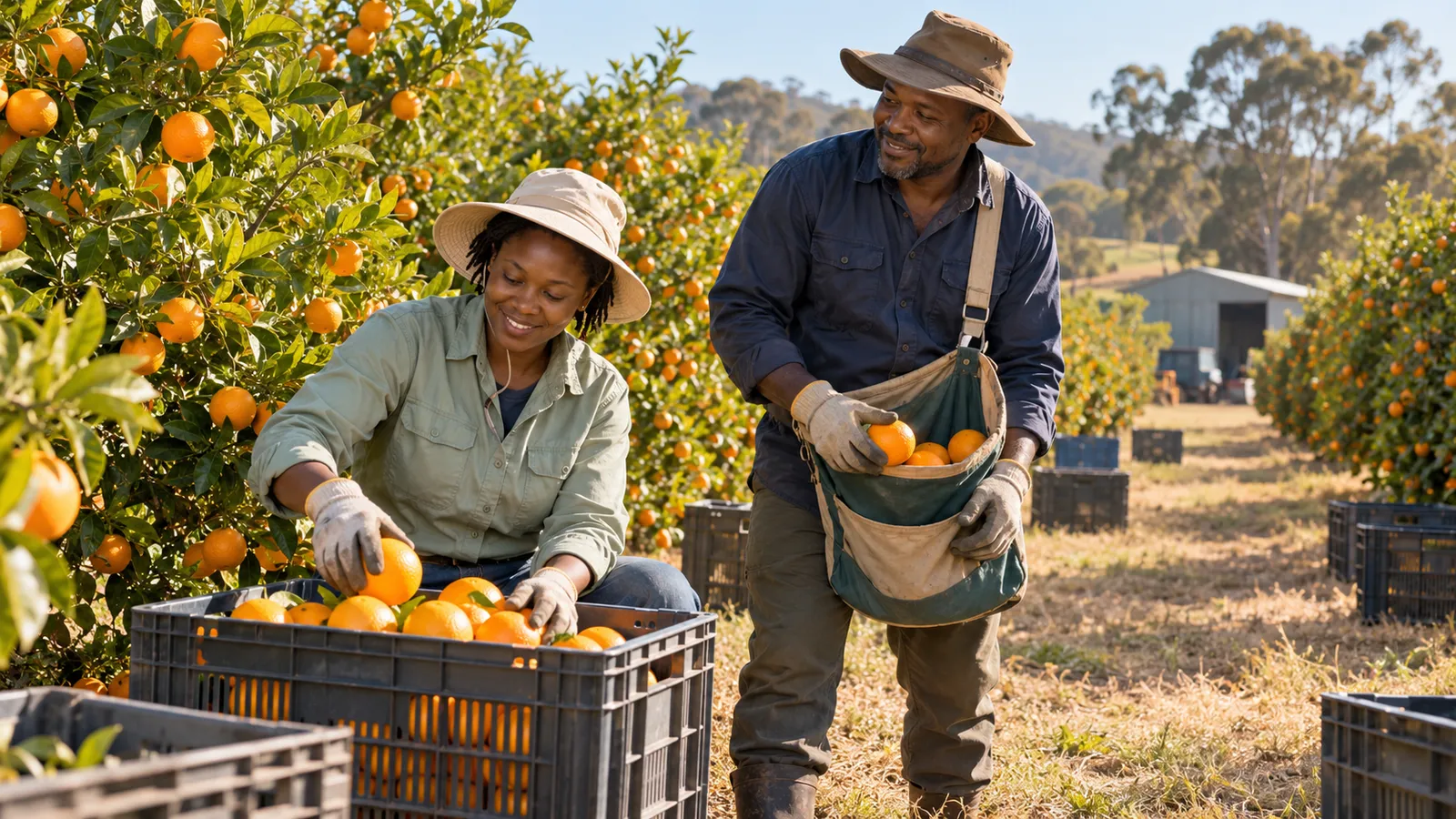
Short answer: Australia's farms are bracing for a tight Christmas harvest after sweeping changes to the Working Holiday Maker visa programme were announced in late September. Kenya has no working holiday arrangement with Australia, so these changes do not open a door for readers in Nairobi or Mombasa. They do matter for anyone watching Australia's farm labour market, and one detail, agriculture joining the skilled worker visa list, deserves a close look.
From earned extension to ballot
Until now, backpackers who completed 88 days of regional or remote work could count on a second-year extension. That certainty is going. Second-year visas will be allocated by ballot, with places cut from 57,000 to 45,000, and third-year visas fall even more steeply, from 31,000 places to 5,000.
| Visa year | Places before | Places after |
|---|---|---|
| Second year | 57,000 | 45,000, allocated by ballot |
| Third year | 31,000 | 5,000 |
| Eligibility test | 88 days of regional or remote work | Same work, then a draw |
For farm operators who built harvest schedules around returning workers, the move from "earn it" to "enter the draw" brings uncertainty. Industry groups say it could push backpackers towards destinations with more secure visas.
Who feels it hardest
A researcher who studies seasonal migration in Queensland agriculture points out that large farms typically recruit through the Pacific Australia Labour Mobility (PALM) scheme, a separate and more structured pathway. Smaller, family-run farms without year-round work are the ones that have depended on backpackers for seasonal gaps. PALM is not a like-for-like substitute: its workers are typically tied to longer, more structured placements, while working holiday makers follow the harvest trail from region to region over a few weeks.
A backlog on top
Before the announcement, visa applications from 24 of 29 eligible countries had already been paused, and processing had stretched from days to roughly three months. With citrus and berry harvests opening within weeks in some regions, the delay alone can leave growers short-handed whatever the ballot does.
The detail worth watching: agriculture on the skilled list
Agriculture is being added to Australia's skilled worker visa list. Industry bodies welcomed it but want detail, especially whether horticulture roles will be included and what qualification thresholds might apply. Until that is published, employers cannot plan with confidence, and neither can applicants. If you work in farming or agribusiness in Kenya, treat the announcement as something to monitor, not as an offer. Check the official Australian immigration pages for any list, and note that a Kenyan qualification does not automatically equal an Australian licence, registration or skills assessment.
Prepare quietly in the meantime. A clear CV that names crops, equipment, supervision and results helps, and Build AI CV can support the drafting. If you want to see the kind of vacancies Australia advertises, Seasonal Jobs Australia lists seasonal and farm work, though you must first confirm which visa, if any, you could use. Your KCSE results, KNEC certificates and employer letters are the usual starting evidence, and a DCI Certificate of Good Conduct from eCitizen is requested when a visa needs one. For Australian visa advice use a migration agent on the MARA register.
See also the farm visa fix for harvest season, what the backpacker ballot means for visa holders and our jobs page.
Common mistakes with farm visa news
- Assuming that a visa list announcement is a job offer.
- Believing an agent who says Kenyans can join the working holiday ballot.
- Planning around the details before they are published.
- Paying anyone who is not on the MARA register, or for New Zealand not licensed or lawfully exempt.
Frequently asked questions
How many days of regional work were required for a second year?
88 days of regional or remote work.
Is PALM the same as the working holiday visa?
No. It is a separate, more structured pathway, with workers tied to longer placements.
Which crops are mentioned?
Mangoes, berries and citrus, with harvest windows opening within weeks in some regions.
Does the skilled list include horticulture yet?
That is still unclear, and industry bodies are asking for detail.
Can Kenyans use the ballot?
No, as there is no working holiday arrangement between Kenya and Australia.
Key takeaways
- Second-year places fall from 57,000 to 45,000 and third-year from 31,000 to 5,000.
- Processing has stretched to roughly three months, and 24 of 29 eligible countries had been paused.
- Agriculture is being added to the skilled worker visa list, but details are missing.
- Monitor official pages and prepare documents without paying for promises.
#australia farm labour #working holiday #kenya #agriculture visa #harvest
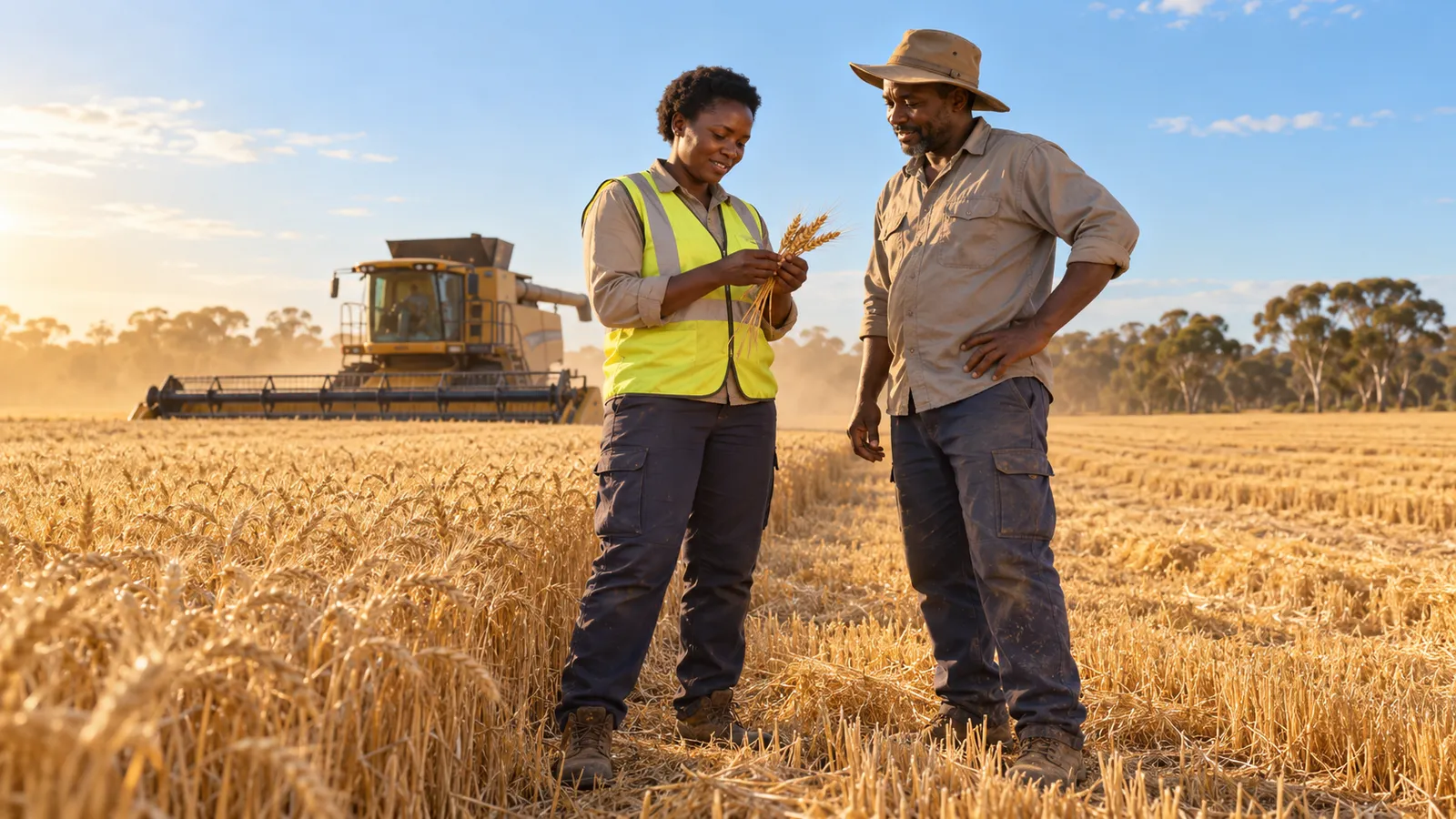 Australia's harvest visa lane: what it changes for farm hiring, and what it does not
 Australia's backpacker ballot explained: what Kenyan readers should and should not take from it
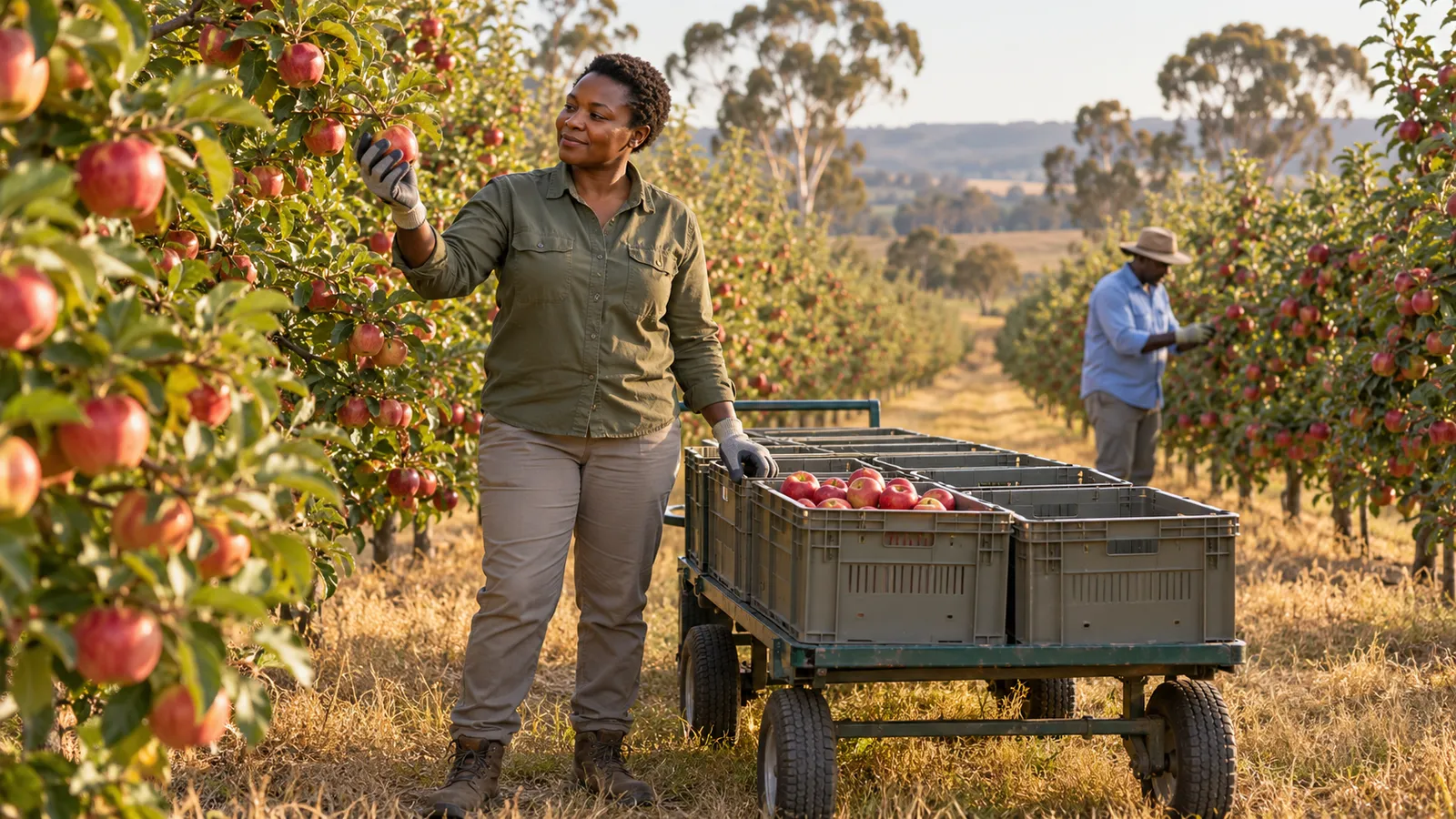 A visa pause that nobody announced: what it shows Kenyan applicants about Australian policy