Australia's backpacker ballot explained: what Kenyan readers should and should not take from it
News · 2026-09-23 · 4 min read

Quick answer first: Australia has announced that extra years on its Working Holiday Maker (WHM) visa will be decided by ballot instead of being earned by regional work alone. Kenya does not have a working holiday arrangement with Australia, so this is not a route for most readers in Nairobi or Mombasa. It is still worth understanding, because it shows how quickly Australian rules can change and why you should plan around the visa you can actually use.
What was announced
The changes were announced in late September and are due from next year. Places for a second year are capped at 45,000 and places for a third year at just 5,000. Compared with 2025 figures, that is a drop of over 21% for second-year approvals and more than 80% for third-year approvals.
| Stage | Regional work needed | New cap |
|---|---|---|
| First visa | None, and it stays relatively straightforward | No new cap announced |
| Second year | 88 days | 45,000 places, by ballot |
| Third year | 179 days | 5,000 places, by ballot |
The practical effect is that certainty becomes odds. Visa holders will complete their regional work and then enter a draw with no assured place, and for a third year the chance is described as one in six.
Why the story matters even if you cannot use the visa
Many readers have friends or relatives who travel on working holiday visas, and many agents advertise "Australia routes" without explaining which visas exist for which passports. Knowing the basics protects you. The ballot shows that temporary visa settings are political and can be tightened at short notice, which is a reason to prefer a clear, documented route such as an employer-sponsored role where the advert states the visa subclass and conditions.
It also shows that tourism, farming and hospitality are major employers of short-term workers, and that industry groups are lobbying hard. That tells you where seasonal labour demand sits, without telling you that a specific job is open to you.
What is still unclear
- When the ballot begins. Implementation is reportedly slated for November, which leaves little lead time.
- How places will be allocated: by subclass, by country of origin, or as a single pool. This changes the odds depending on where an applicant comes from.
- What happens to people already part-way through their regional work under the old expectations.
Four peak industry bodies, covering tourism, farming, accommodation and commerce, have flagged these gaps, and anyone affected should wait for official detail before making plans.
A better way to plan from Kenya
If your goal is work in Australia, start with what applies to you. Compare roles on our jobs page, read the sponsorship wording line by line, and check which of your documents the employer needs. Your KCSE results, KNEC or NITA trade test certificates and references may need assessment, and a Kenyan qualification does not automatically equal an Australian licence or skills assessment. Prepare a clear CV with Build AI CV and keep your DCI Certificate of Good Conduct from eCitizen in mind for when a visa asks for it.
For advice on Australian visas, use a migration agent on the MARA register. For New Zealand, use a licensed immigration adviser or someone lawfully exempt. Related reading: how the shake-up affects farms and workers, what international students should know about family members and the farm visa fix for harvest season.
Common mistakes after a headline like this
- Believing an agent who says a working holiday visa is open to Kenyans.
- Reading a cap as a promise or a ban for your own situation.
- Making money or travel decisions before official detail is out.
- Paying someone who is not on the MARA register for Australian visa advice.
Frequently asked questions
Is the first working holiday visa affected?
Getting a first visa is described as remaining relatively straightforward. The change falls on later years.
Why 88 days and 179 days?
These are the regional work periods for a second and a third year respectively.
Does the ballot apply to Kenyans?
Kenya has no working holiday arrangement with Australia, so the ballot is not a Kenyan route.
Where should I look for official detail?
The Australian Government's immigration pages, not commentary.
What should I do instead?
Prepare documents and a CV, and look at roles where the sponsorship terms are written in the advert.
Key takeaways
- Second-year places are capped at 45,000 and third-year places at 5,000.
- Regional work of 88 or 179 days now buys entry to a draw, not a year.
- Start date, allocation and transition rules are still unclear.
- Plan around the visa that applies to you, with proper advice.
#working holiday #australia ballot #kenya #visa changes #employer sponsorship
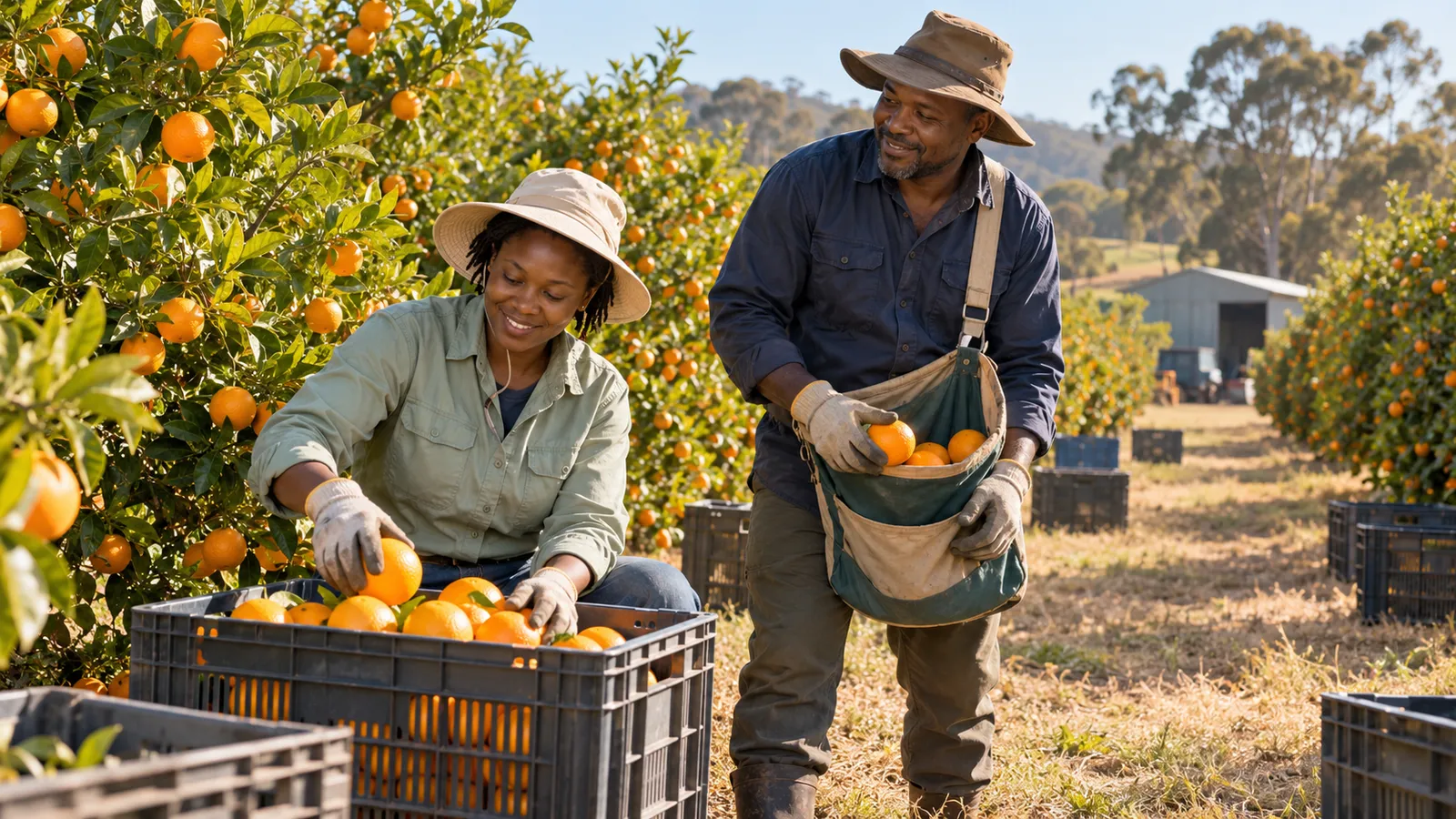 Australian harvest labour in doubt: what the working holiday cuts mean for farms, and for Kenyan readers
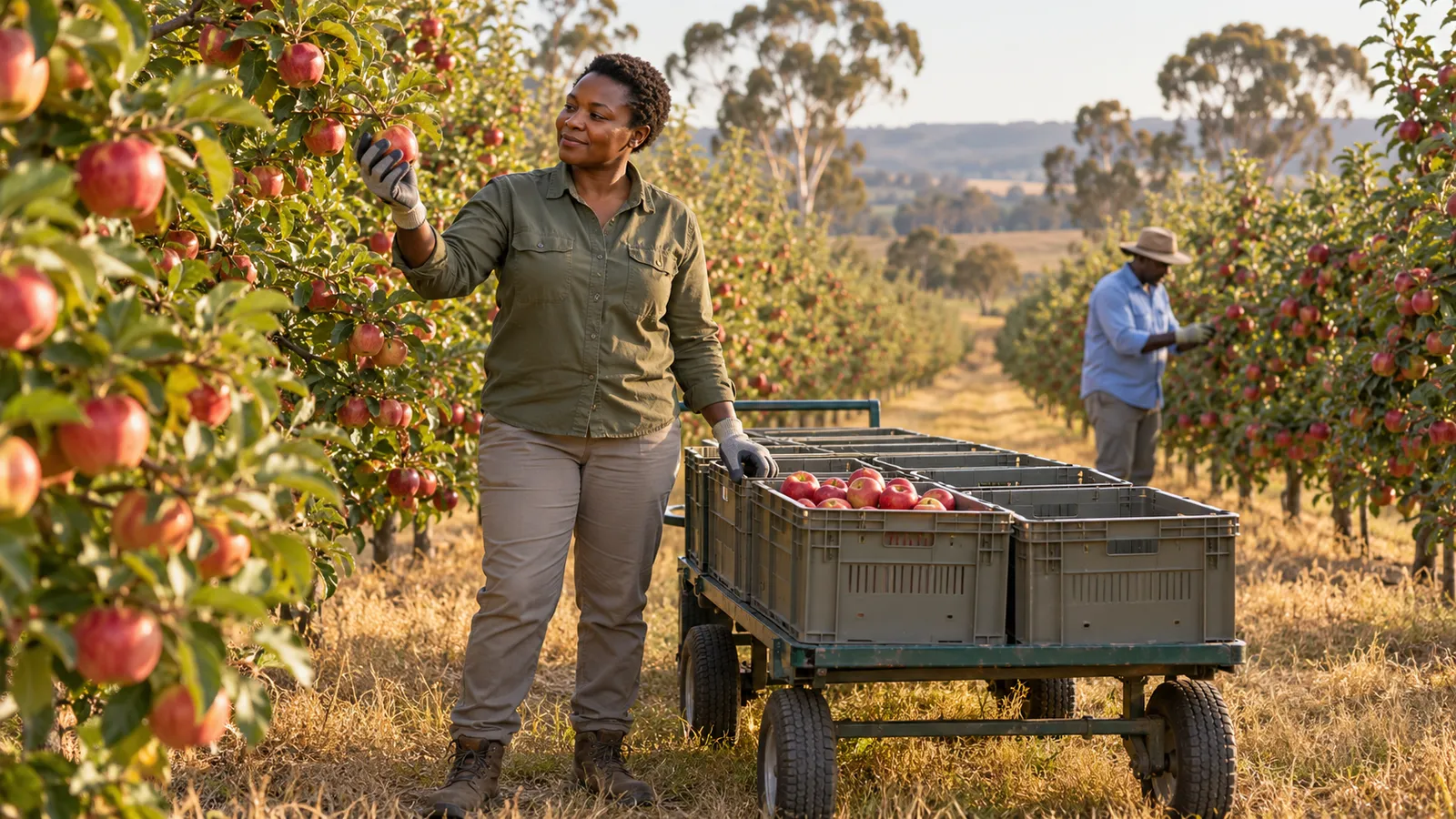 A visa pause that nobody announced: what it shows Kenyan applicants about Australian policy
 More than half of international graduates work below their skill level: a reality check for Kenyan applicants