Visa queues and Australia's meat industry: what Kenyan workers should take from a regional squeeze
News · 2026-09-07 · 4 min read
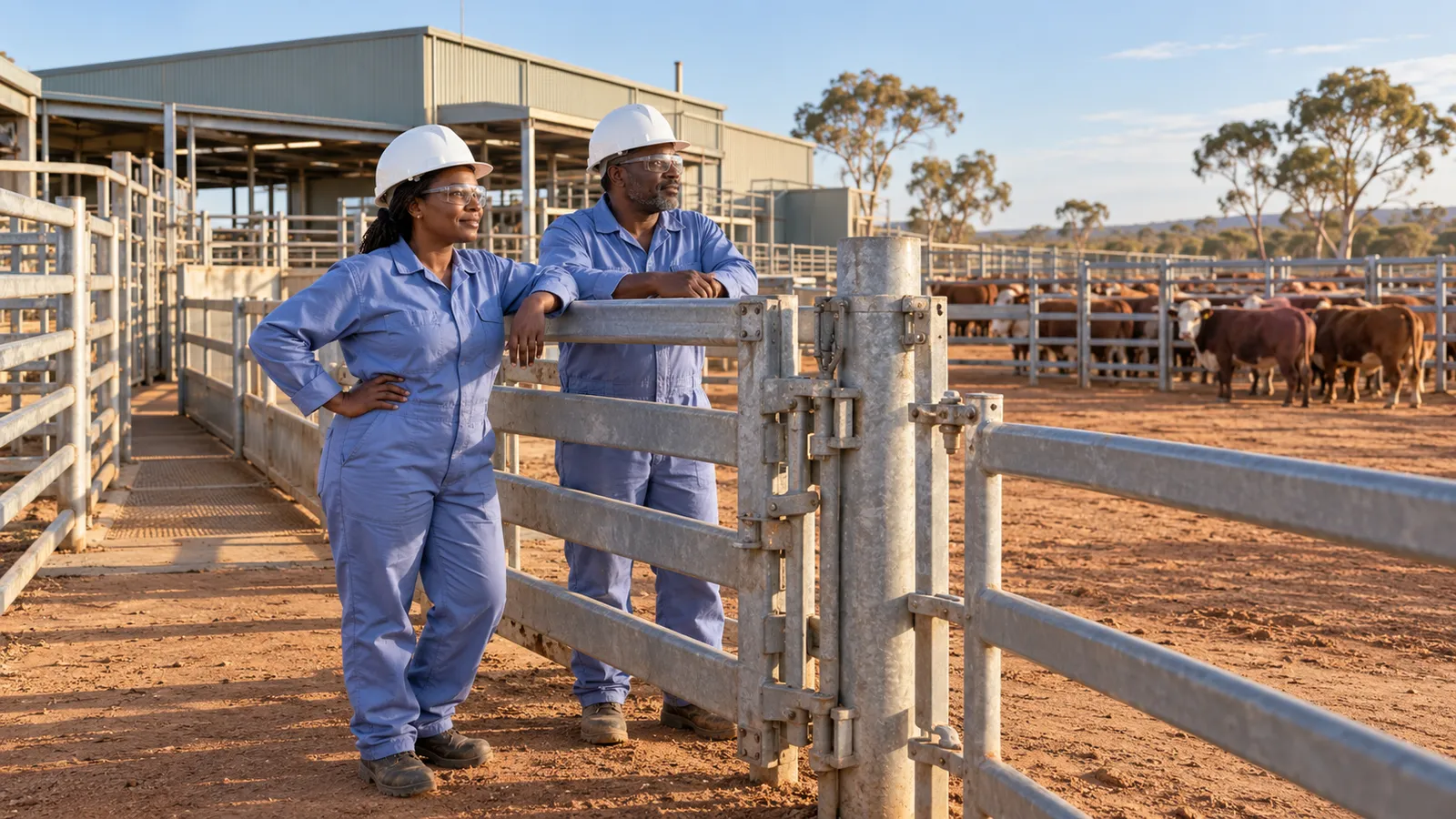
Short answer: in July, Australia's Department of Home Affairs introduced a five-tier system for prioritising visa applications, and meat processing and pork production did not make the priority list. For employers in remote parts of Western Australia, and for workers waiting to join them, the result is delay. If you are in Nairobi or Mombasa and thinking about a sponsored processing role, this case shows what to plan for.
How the new order works
Under the system, offshore applicants in industries outside law enforcement, defence, construction, healthcare and teaching sit at the very bottom of the queue. Protecting local jobs is a defensible aim in principle. The difficulty is that some industries have never had a workable local labour pool. In the Kimberley, an abattoir near Broome advertised 60 skilled positions and received a single application from an Australian resident, who on inspection did not have the required skills. This is a story about geography. Remote operations cannot attract enough local interest to staff themselves, whatever pay they offer.
Two employers, two kinds of delay
| Where | What is at stake |
|---|---|
| Kimberley meat works | Roughly 30 skilled workers from the Philippines, plus 13 partners, were lined up to reopen a former meat company. Around $390,000 in visa fees has been paid. The opening has slipped to a soft launch in February and a full commercial opening in April, and thousands of cattle need somewhere to go meanwhile. |
| Piggery near Narrogin | About 90 per cent of the workforce comes from overseas. The owner is expanding from 1,500 to 2,500 sows, with piglets due in six months and no certainty that incoming workers, many recruited in January and some already resigned from previous jobs, will have visas in time. |
| Labour agreement users | The department says applications are processed in line with program requirements and established processing arrangements, which offers little comfort when timing is unclear and nobody can give an update. |
The gap behind the headlines
What both cases show is a mismatch between three timelines that should move together: employer recruitment, visa processing and business planning. A piggery does not stop breeding pigs while a visa waits in a queue, and cattle supply chains do not hold animals indefinitely while an abattoir waits to open.
What it means if you are considering this work
For employers using the Meat Industry Labour Agreement stream and the advisers who help them, this is a preview of a wider tension. Prioritisation built around national labour-market protection does not automatically account for regions where a domestic workforce does not realistically exist. Until carve-outs, faster labour agreement processing or clearer communication arrive, expect employers in remote industries to face the same bind: workers identified, fees paid and operations on hold.
For you, that suggests three habits. Ask any employer how they expect visa timing to affect your start date. Think carefully before resigning from a current job until a visa is granted. And keep your documents ready, including your DCI Certificate of Good Conduct if a police clearance is requested, so no delay comes from your side. A tidy CV helps you respond quickly; Build AI CV can help you set yours out. Related reading: the new visa processing priorities and the hidden cost of a quiet visa pause for regional Australia. See live roles on the jobs page.
Common mistakes when planning around queues
- Resigning from a job before a visa is granted.
- Assuming a sponsor's lodgement means a quick decision.
- Expecting regional employers to find local staff when they have advertised without success.
- Relying on informal advice rather than a migration agent registered with MARA.
Frequently asked questions
Is meat processing on the priority list?
No. Neither meat processing nor pork production made the list.
Who sits at the bottom of the queue?
Offshore applicants in industries outside law enforcement, defence, construction, healthcare and teaching.
Why can't employers fill the roles locally?
In remote areas the local pool is very small; one abattoir received a single local application for 60 positions.
Does the Meat Industry Labour Agreement still operate?
Yes, though processing timing is unclear.
Where can I get reliable advice?
From a migration agent registered with MARA.
Key takeaways
- Meat and pork sit outside the new priority tiers, so offshore applicants wait longer.
- Remote employers cannot find local workers, whatever they offer.
- Fees are paid and operations delayed while applications queue.
- Plan for delay and avoid resigning before a visa is granted.
#meat industry #visa priorities #western australia #labour agreement #delays #kenya
 More than half of international graduates work below their skill level: a reality check for Kenyan applicants
 AI is replacing some office roles in Australia: what Kenyan professionals should check before applying
 Could Australia scrap the graduate visa? What Kenyan students should know today